July 21, 2026
Cold storage operates as a vital pillar within the modern food manufacturing sector, serving as the primary mechanism for preserving product safety and maintaining pristine quality across the supply chain. Extending the shelf life of perishable items, minimizing operational waste, and ensuring that goods reach end consumers in perfect condition require specialized logistics frameworks. As global consumer demand for fresh and frozen products rises, manufacturers face intense pressure to secure dependable cold storage solutions that can easily accommodate strict requirements. Identifying the right partner involves looking beyond basic refrigeration to find a provider that truly understands the intricate dynamics of temperature-sensitive inventory management.
Selecting an ideal logistics partner does not merely guarantee day-to-day operational efficiency; it safeguards a manufacturer's brand reputation and ensures strict alignment with global safety standards. The choice of a provider influences everything from raw material preservation to final distribution timelines, making it a cornerstone of strategic supply chain management. Food producers must evaluate prospective partners using a comprehensive framework that looks at technological capabilities, regulatory compliance, geographical positioning, and financial transparency. By focusing on these essential operational pillars, manufacturers can establish resilient partnerships that support long-term business growth and sustainable market success.
Evaluate Infrastructure and Technology
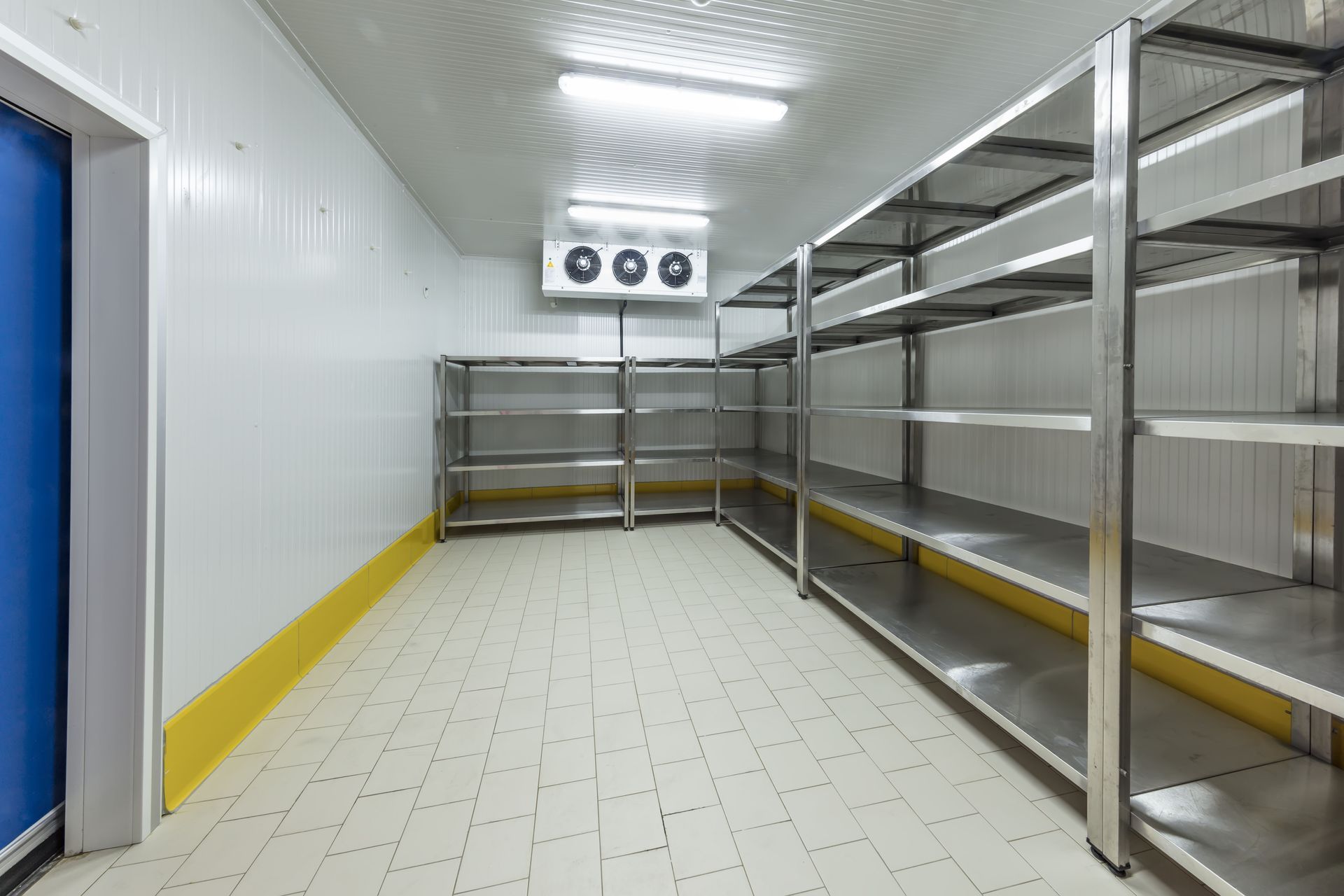
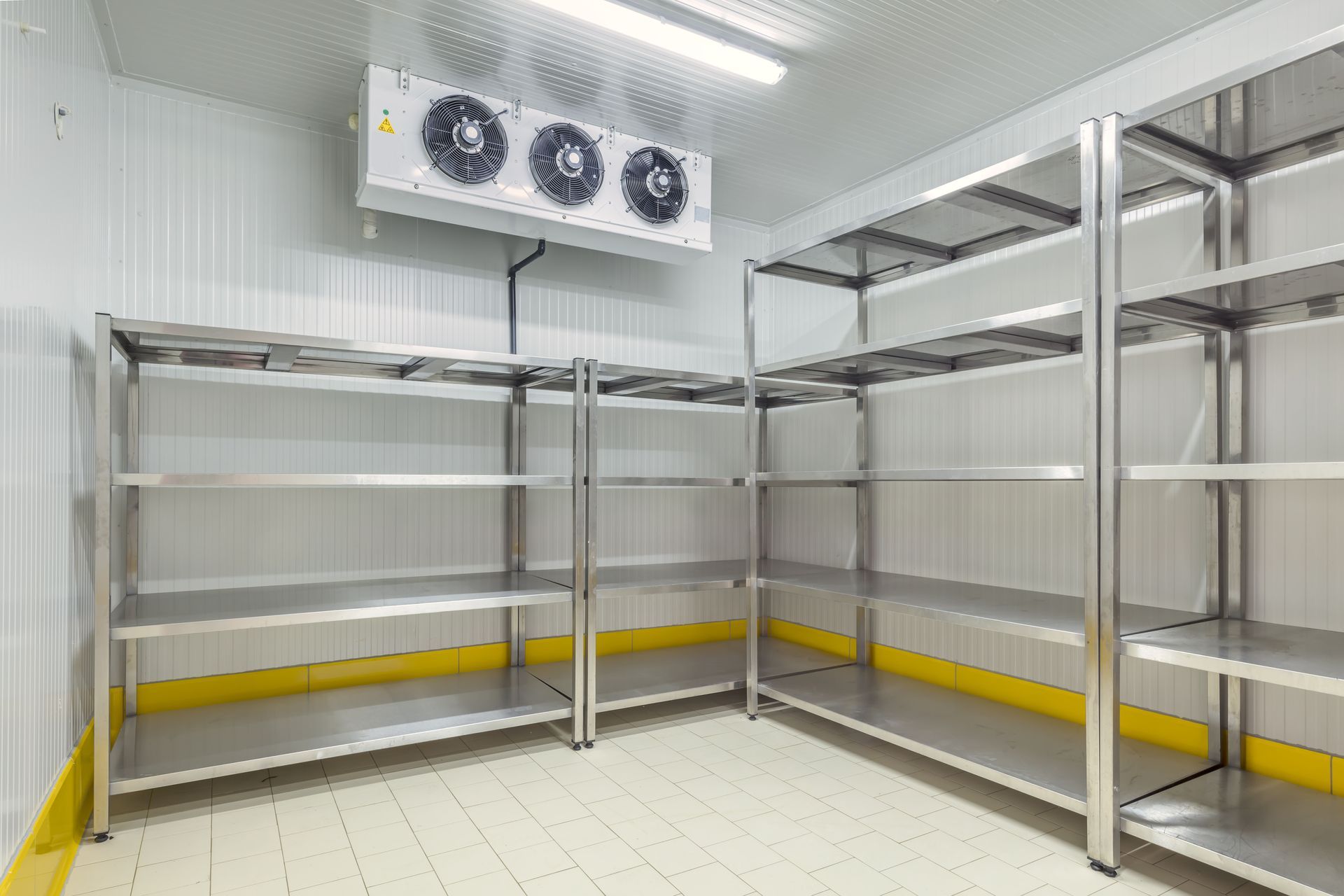
Modern food preservation demands sophisticated refrigeration setups that offer exact temperature control and high energy efficiency to prevent spoilage. Maintaining consistent environmental conditions is vital for defending product integrity and satisfying strict safety parameters across diverse product lines. According to data from ScienceDirect, the global footprint of commercial refrigeration spans 90 million units, encompassing everything from centralized systems to stand-alone setups and condensing equipment. This massive global infrastructure highlights the critical need for eco-friendly practices, prompting top-tier providers to implement low-emission cooling systems that reduce environmental impacts while lowering operational overhead. Partnering with a provider that utilizes these advanced cold storage solutions ensures both ecological responsibility and product stability.
Beyond cooling technologies, a facility must showcase exceptional storage capacity, robust backup systems, and rigorous sanitation practices to handle shifting market dynamics. Scalable storage options allow food manufacturers to manage seasonal demand spikes and product expansions seamlessly without facing space constraints or logistical bottlenecks. Power redundancies and backup cooling systems act as vital safety nets, protecting valuable inventory from catastrophic losses during unexpected equipment failures or electrical outages. Moreover, stringent cleanliness protocols and routine facility maintenance prevent contamination risks, ensuring that every square foot of the facility adheres to premium hygienic standards.
Verify Compliance and Safety Standards
Adherence to local and federal regulations remains a non-negotiable requirement for any logistics provider handling perishable food items. Regulatory bodies enforce strict protocols to protect public health, requiring providers to remain continuously updated on evolving legal frameworks and safety mandates. Reputable facilities distinguish themselves by earning prestigious industry certifications, which reflect a deep operational commitment to global food safety initiatives. These formal certifications assure food manufacturers that their inventory is handled under validated conditions, significantly reducing corporate liability and eliminating the threat of costly legal disputes or compliance penalties.
Robust internal systems for traceability, detailed record-keeping, and continuous employee training programs are equally vital to maintaining secure cold storage solutions. Comprehensive digital tracking platforms allow logistics teams to monitor inventory movement in real time, providing the transparency required for successful quality audits or rapid product recalls. Well-educated warehouse staff members are essential for executing these complex safety protocols without errors, creating an organizational culture rooted in accountability and operational precision. By securing a partner that prioritizes these meticulous documentation and educational practices, food manufacturers can confidently guarantee the safety and authenticity of their products.
Optimize Location and Transport Networks
The geographical location of a warehouse facility deeply influences overall shipping efficiency, freight management costs, and transit times. Facilities positioned near major manufacturing plants allow for rapid product transfers, streamlining the initial stages of the supply chain and preserving peak freshness. Access to robust cold storage solutions situated near major transportation networks—such as interstate highways, rail corridors, and maritime ports—enables smooth distribution across expansive geographic territories. This strategic connectivity reduces shipping bottlenecks, minimizes fuel consumption, and allows food manufacturers to scale their market reach efficiently.
Seamless integration into established distribution networks combined with highly accessible loading docks further enhances daily delivery turnaround times. Well-designed facilities featuring optimized traffic flows and modern loading bays minimize carrier wait times, accelerating both inbound arrivals and outbound shipments. This high level of logistical fluidity allows manufacturers to meet strict delivery schedules and adapt quickly to sudden changes in market demand. Selecting a provider with superior spatial positioning and transport integration results in a more agile supply chain that consistently satisfies client expectations.
Assess Cost Structures and Contracts
Establishing a successful partnership requires absolute clarity regarding pricing structures, service fees, and contractual obligations to ensure accurate financial planning. Food manufacturers must seek out providers that offer straightforward, transparent billing models devoid of hidden fees or unexpected administrative costs. Clear financial agreements allow corporate teams to budget precisely, avoiding transactional disputes and fostering mutual trust over extended operational periods. Flexible contract terms are similarly essential, as they allow manufacturers to adapt their storage commitments to shifting economic landscapes and evolving corporate strategies.
Smart financial management also involves leveraging volume discounts, diverse payment options, and detailed cost-benefit analyses to maximize operational value. Providers that offer financial incentives for high-volume storage or long-term commitments help manufacturers optimize their logistical expenditures, freeing up capital for other growth initiatives. Flexible payment structures help stabilize corporate cash flow, ensuring that seasonal shifts do not create unnecessary financial strain on the business. Utilizing these adaptive cold storage solutions empowers manufacturers to strike an ideal balance between premium service quality and cost-effective operations.
Leverage Advanced Innovations and Service
Exceptional customer support, open communication channels, and fast problem resolution systems define the quality of a modern logistics relationship. Food manufacturers require responsive support teams capable of addressing supply chain disruptions immediately to maintain steady distribution momentum. Providers that actively implement feedback mechanisms demonstrate a genuine commitment to continuous service improvement, tailoring their workflows to match specific client needs. This personalized approach ensures that unique operational challenges are met with creative, dedicated support that strengthens the collaborative bond between both organizations. These integrated cold storage solutions provide the reliability needed to navigate complex market environments.
Embracing technological advancements like automation, robotics, internet-of-things monitoring, and blockchain tracking secures a facility's place at the forefront of the industry. Automated picking and packing systems drastically reduce human error while increasing throughput speeds within the warehouse environment. Connected sensors provide real-time updates on ambient conditions, while immutable ledger tracking ensures absolute transparency regarding product origins and handling history. By aligning with a forward-thinking provider that invests heavily in modern technological infrastructure, food manufacturers ensure their supply chain remains highly resilient against future industry challenges.
Choosing a skilled logistics partner involves analyzing several interconnected elements, ranging from advanced cooling infrastructure and strict regulatory compliance to prime geographic locations and clear financial arrangements. Every single factor plays an indispensable role in maintaining product freshness, ensuring public health safety, and maximizing supply chain efficiency. As market dynamics continue to shift toward greater sustainability and technological integration, selecting flexible cold storage solutions will remain crucial for sustaining a competitive edge. Investing time into evaluating these essential operational criteria empowers food producers to safeguard their inventory and deliver premium value to consumers.
Building a resilient supply chain requires a dedicated partner committed to operational excellence, absolute safety compliance, and innovative technology. Let us optimize your temperature-controlled logistics and protect your brand integrity by partnering with our expert team at Neptune Cold Storage, LLC.