June 5, 2026
Perishable goods require steady environmental conditions to remain usable and safe for extended periods. Small changes in temperature can quickly affect quality, appearance, and safety. This is why storage environments designed for consistency play a major role in modern supply chains. Temperature-controlled systems help maintain stability from the moment products enter storage until they are moved again. This article explains how temperature controlled storage protects perishable goods by maintaining stable conditions, reducing spoilage, supporting longer shelf life, and helping businesses manage inventory with fewer losses.
Understanding Temperature Controlled Storage
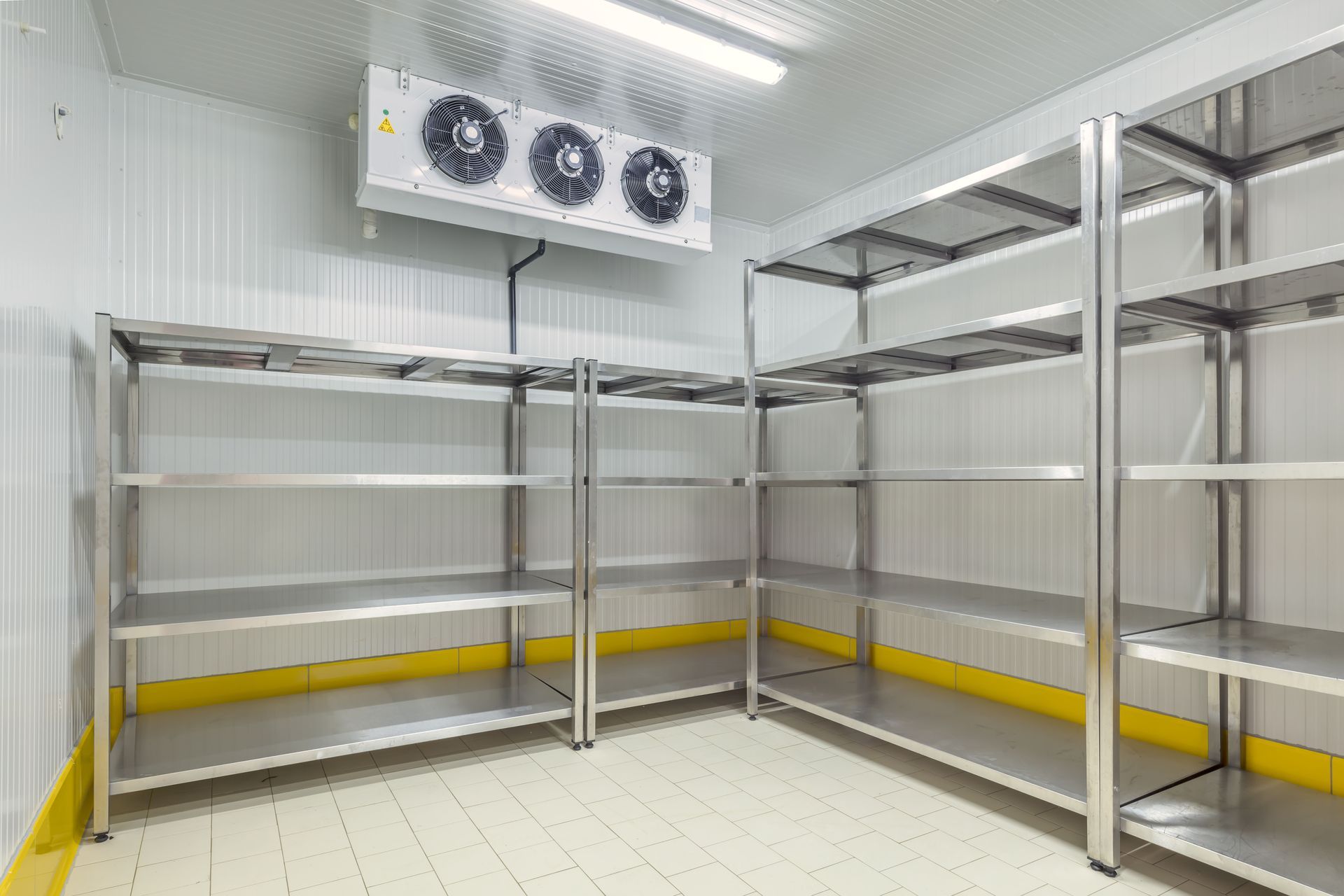
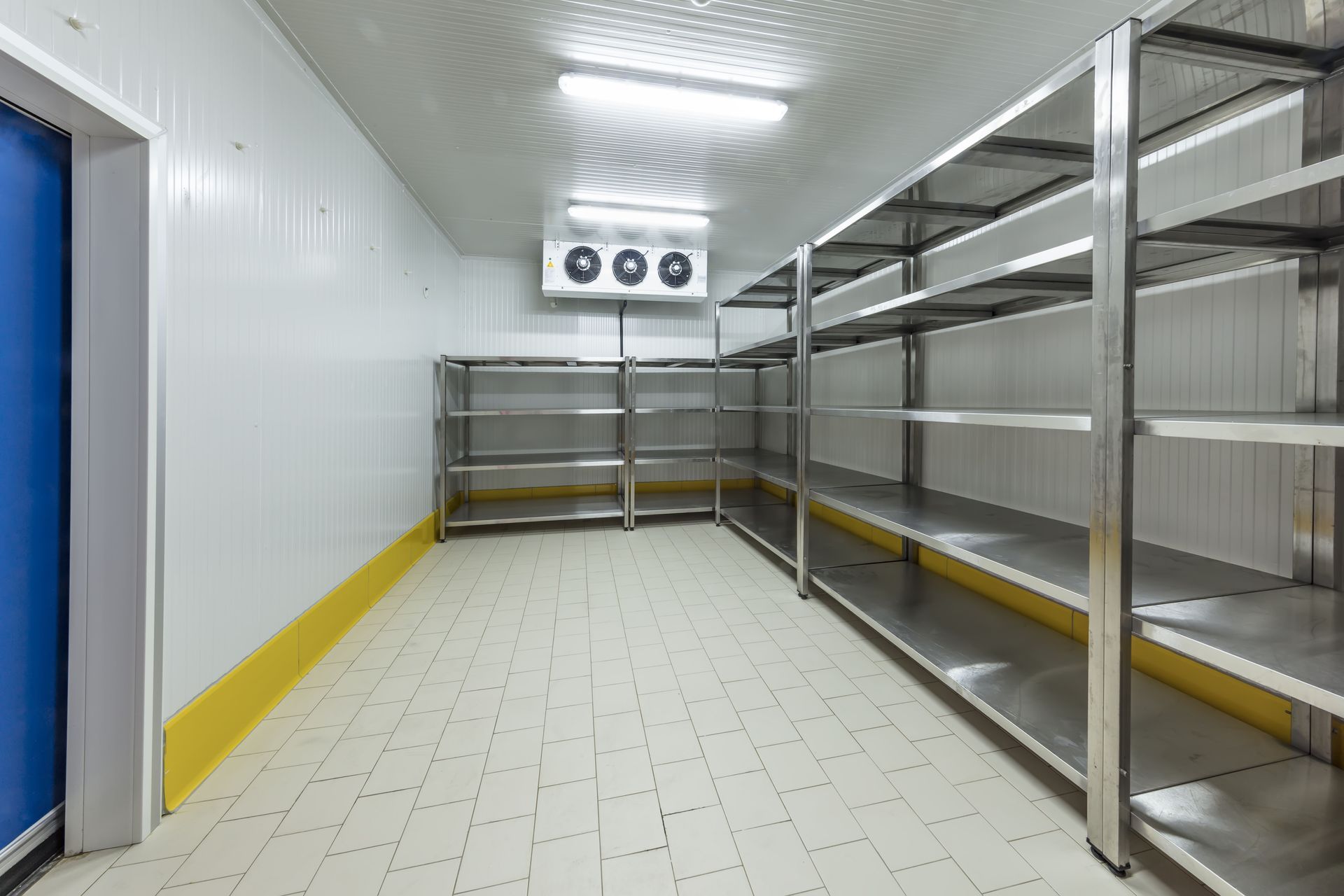
Temperature controlled storage is designed to keep perishable goods within a consistent temperature range. This controlled environment helps slow natural decay and supports product quality over time. Businesses that handle sensitive goods often rely on temperature controlled storage to maintain predictable conditions throughout the storage period.
Temperature controlled storage is important because even small temperature shifts can affect freshness. Heat can speed up spoilage, while freezing conditions can damage texture or structure depending on the product type. Stable conditions help reduce these risks and support consistent quality during storage and movement between locations.
Many industries depend on temperature controlled storage to manage inventory safely. This includes food distribution, agriculture storage, and other supply chains that handle time-sensitive goods. Without stable environments, products can degrade faster, leading to loss, waste, and disrupted delivery schedules. Temperature controlled storage also helps support better coordination between storage facilities and transportation networks.
Maintaining Stable Storage Conditions
Maintaining stability is one of the main goals of temperature controlled storage. Consistent monitoring and controlled systems help keep conditions within a safe range. When storage environments remain steady, perishable goods are less likely to experience damage from sudden changes.
Temperature controlled storage helps reduce fluctuations that may occur in standard storage spaces. These fluctuations can be caused by external weather changes, door openings, or inconsistent cooling systems. Controlled environments help minimize these risks and keep stored goods in a more predictable condition.
Temperature controlled storage is often used in facilities that handle large volumes of perishable goods. These environments help maintain consistency across different storage areas, which supports better organization and product handling. Stable conditions also help reduce stress on packaging and materials that protect the goods. This added stability becomes important when goods are stored for longer periods before distribution.
Protecting Perishable Product Quality
Quality preservation is a major reason temperature controlled storage is widely used. Perishable goods such as fresh foods and other sensitive materials can lose quality quickly if exposed to unstable conditions. Controlled environments help slow down this process.
Temperature controlled storage helps maintain texture, color, and overall condition by reducing exposure to harmful temperature changes. This is especially important for goods that need to remain fresh during extended storage or transportation periods. Even small improvements in stability can make a noticeable difference in final product condition.
According to Verified Market Research, commercial refrigeration equipment is used to preserve vegetables, fruits, meat, and other similar products by regulating the temperature between 30°C and 40°C, hence increasing the shelf life of the product. This controlled temperature range helps reduce spoilage and keeps products in better condition for longer periods. In many cases, temperature controlled storage systems rely on similar principles to maintain consistent conditions that support product longevity. These systems also help reduce quality loss during seasonal demand shifts or supply delays.
Reducing Spoilage and Waste
Spoilage is a major concern when handling perishable goods. Even small disruptions in storage conditions can lead to waste and financial loss. Temperature controlled storage helps reduce these risks by keeping goods in stable environments.
When products are exposed to unstable temperatures, bacterial growth and physical breakdown can happen faster. Temperature controlled storage slows this process by maintaining consistent conditions that limit these changes. This helps reduce the amount of product that becomes unusable before it reaches its destination.
Many supply chains depend on temperature controlled storage to improve efficiency and reduce waste. By maintaining steady conditions, businesses can better manage inventory and reduce losses caused by spoilage. This also helps support more predictable supply levels and smoother distribution planning during high-demand periods.
Monitoring Temperature Levels
Continuous monitoring plays an important role in temperature controlled storage systems. Regular checks help maintain consistency and identify changes before they affect stored goods. Monitoring systems are often used to track conditions throughout the storage environment in real time, allowing teams to respond quickly when shifts occur.
Temperature controlled storage depends on accurate monitoring to keep conditions within the correct range. Even small shifts can affect sensitive products, so tracking systems help maintain control. This allows for quick adjustments when needed and helps reduce risk during long storage periods, especially when goods remain in storage for extended timelines.
Monitoring also helps support accountability within storage environments. By keeping records of temperature levels, it becomes easier to understand how products were stored over time. This is especially important for industries that handle large volumes of perishable goods and need consistent storage documentation for operational planning. These records also help improve consistency across multiple storage locations and support better long-term decision-making.
Extending Shelf Life of Goods
One of the main benefits of temperature controlled storage is its ability to extend shelf life. When products are stored in stable conditions, natural decay slows down. This gives businesses more time to distribute goods while maintaining acceptable quality.
Temperature controlled storage helps preserve freshness by reducing exposure to heat and other damaging conditions. This is especially important for goods that are transported over long distances or stored for extended periods before use. Longer shelf life also helps reduce the pressure of immediate distribution deadlines.
Extended shelf life also helps improve planning and distribution. Businesses can manage inventory more efficiently when products remain usable for longer periods. Temperature controlled storage supports this process by maintaining stable conditions that protect goods from early spoilage and unexpected loss during storage transitions.
Handling Sensitive Goods
Sensitive goods require careful handling throughout the storage process. These products often react quickly to changes in temperature, making controlled environments essential. Temperature controlled storage provides a stable space where sensitive goods can be kept in consistent conditions that limit exposure to harmful fluctuations.
Many types of goods benefit from controlled storage environments. These include items that require specific temperature ranges to maintain structure and quality. Temperature controlled storage helps reduce exposure to conditions that could cause damage or degradation during both short-term and long-term storage, especially when products move between facilities or sit in storage for extended periods.
Professional handling of sensitive goods often involves seeking professional help to maintain proper storage conditions. Temperature controlled storage systems are designed to support this level of care by maintaining consistent environments that reduce risk and improve reliability across storage operations. Careful management of these conditions also helps support smoother handling during loading and distribution stages.
Temperature controlled storage plays a key role in protecting perishable products by maintaining stable conditions, reducing spoilage, and supporting longer shelf life. From monitoring systems to controlled environments, each part of the process helps maintain product quality and reduce waste throughout storage and distribution. These conditions also help reduce unexpected losses during transport and storage transitions, which can be critical for time-sensitive goods.
These systems also support better planning, improved consistency, and safer handling of sensitive goods across supply chains. Reliable storage conditions can also help businesses maintain smoother operations during seasonal demand changes and supply chain delays. For dependable solutions in temperature controlled storage, Neptune Cold Storage LLC supports businesses that need reliable environments for sensitive goods and long-term preservation.